HPB, GI, Advanced Laparoscopic
& Robotic Surgery
Legacy

15+
Year of Experties
Top Rated in
Ahmedabad
Dr. Amit Shah
MS, MRCS (Edinburgh, UK)
Master in Hepato-Biliary & Pancreatic Surgery (Henri Bismuth Institute, France). Consultant Surgeon – HPB, GI, Advanced Laparoscopic & Robotic Surgery
Areas of Surgical Expertise
I believe healing needs hope & skill together.
Experience thoughtful care, right here in your city.
- Liver surgery
- Gallbladder and bile duct surgery
- Biliary pathology
Hepato-biliary surgery focuses on the treatment of diseases related to the liver, gallbladder, and bile ducts. The liver and biliary system are vital for digestion and detoxification, but they are also prone to complex conditions such as liver tumors, gallbladder stones, bile duct blockages, and cancers.
Surgical procedures in this field may include liver resections (removing part of the liver), cholecystectomy (removal of the gallbladder), or bile duct reconstruction to restore normal bile flow. In advanced cases, liver transplantation may be required.
- Surgical management of pancreatic tumors, cysts, or inflammation
Pancreatic surgery is performed to address diseases affecting the pancreas, an organ that plays a crucial role in digestion and blood sugar regulation. These surgeries are often required in cases of pancreatic cancer, chronic or recurrent pancreatitis, benign or malignant pancreatic cysts, and traumatic injuries.
Among the most well-known and complex procedures is the Whipple operation (pancreaticoduodenectomy), which involves removing part of the pancreas along with sections of the small intestine, bile duct, and gallbladder. Other operations may include distal pancreatectomy (removal of the body or tail of the pancreas), total pancreatectomy, or drainage procedures for pancreatic pseudocysts.
- Surgeries for stomach, intestines, colorectal, and rare abdominal conditions
- Colorectal cancer, duodenal tumors, metastatic colorectal cancer
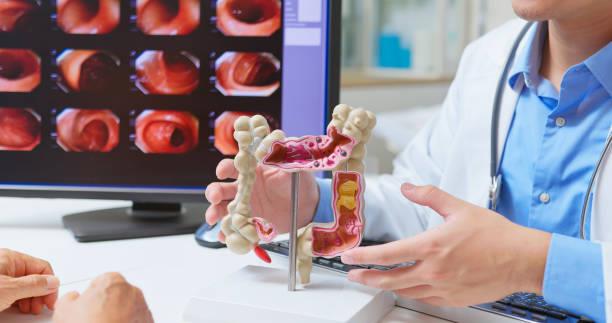
Gastrointestinal surgery deals with the diagnosis and treatment of conditions affecting the digestive tract, which includes the esophagus, stomach, intestines, colon, rectum, and related organs. A wide variety of disorders may require surgical intervention, ranging from cancers of the stomach and intestines to non-cancerous conditions such as hernias, inflammatory bowel disease, diverticulitis, and intestinal blockages.
Common procedures in this field include gastrectomy (removal of the stomach), colectomy (removal of part of the colon), bowel resections, hernia repairs, and weight-loss (bariatric) surgeries.
- Laparoscopic cholecystectomy (including challenging anatomy like situs inversus)
- Laparoscopic management of Mirizzi Syndrome
- Other minimally invasive gastrointestinal procedures
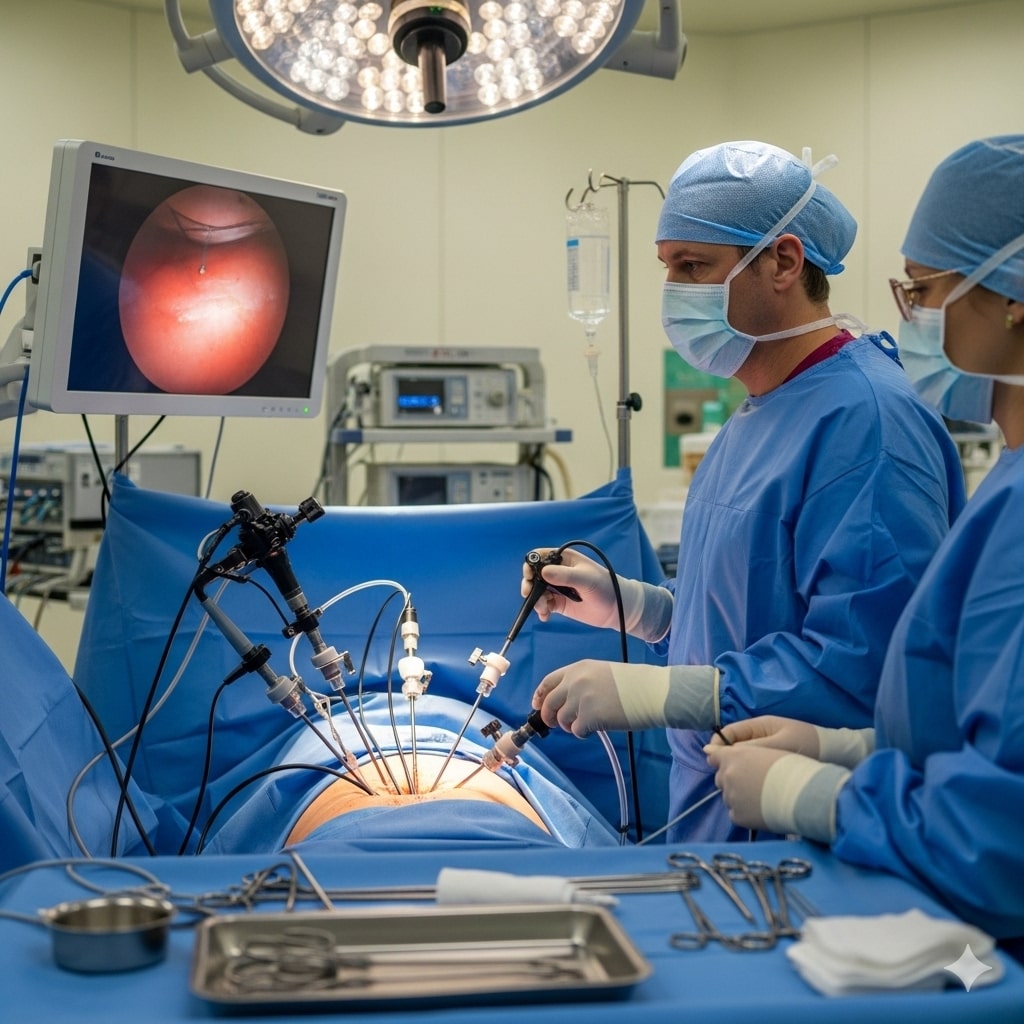
Advanced laparoscopic surgery, often referred to as minimally invasive or “keyhole” surgery, is a modern technique where operations are carried out through very small incisions using a laparoscope—a thin tube with a camera—and specialized instruments.
This method allows surgeons to see detailed images of the inside of the abdomen on a video monitor and perform procedures with high precision. Compared to traditional open surgery, laparoscopic techniques result in less pain, reduced blood loss, smaller scars, shorter hospital stays, and faster recovery times.
- Paraduodenal hernia, duodenal diverticula
- Completion cholecystectomy for residual gallbladder
Complex and rare abdominal conditions refer to unusual or difficult-to-treat diseases that affect the organs of the abdomen. These may include rare tumors of the liver, pancreas, or gastrointestinal tract; advanced cancers that spread throughout the abdominal cavity; congenital abnormalities present from birth; severe abdominal trauma involving multiple organs; and complicated fistulas or vascular malformations.
Such cases are termed “complex” because they often involve multiple organs simultaneously and require advanced surgical skills, specialized hospital facilities, and multidisciplinary care involving oncologists, gastroenterologists, and critical care experts.
Frequently
Asked Questions
What is HPB surgery?
HPB stands for Hepato-Pancreato-Biliary surgery. It involves surgical treatment of the liver, pancreas, and biliary system (gallbladder and bile ducts), often for conditions like tumors, stones, or strictures.
What types of conditions are treated under GI surgery?
Gastrointestinal (GI) surgery covers disorders of the digestive tract including the esophagus, stomach, intestines, colon, rectum, and related organs. Common conditions include cancers, hernias, inflammatory bowel disease, ulcers, and gastrointestinal bleeding.
What is advanced laparoscopic surgery?
Advanced laparoscopic surgery, also known as minimally invasive or keyhole surgery, uses small incisions and specialized instruments to perform complex operations. It offers benefits like less pain, faster recovery, and minimal scarring compared to open surgery.
What are the benefits of laparoscopic surgery compared to traditional open surgery?
Laparoscopic surgery typically results in shorter hospital stays, quicker return to normal activities, less postoperative pain, smaller scars, and reduced risk of infection.
Are HPB and GI surgeries safe to perform laparoscopically?
Yes, many HPB and GI surgeries can be performed laparoscopically with high safety standards. The suitability depends on the patient’s condition, disease stage, and overall health. A surgeon will recommend the best approach after evaluation.
How should I prepare for HPB, GI, or laparoscopic surgery?
Preparation includes medical evaluation, blood tests, imaging scans, and following dietary or fasting instructions. Patients may also need to stop certain medications and undergo fitness assessments before surgery.
Let’s Connect
We are here to provide clear guidance, timely assistance, and the highest standard of care.
Get in Touch
Get in Touch